
October is your critical last opportunity to plant in Michigan before winter sets in. This time of year provides an ideal environment for establishing strong root systems due to the combination of cooler air temperatures and soil that is still holding warmth.
The fall planting season is actually considered optimal for getting permanent plants established, as it allows them to focus solely on root growth without the stress of supporting top growth or intense summer heat. Don’t delay—this is the final window before the hard freeze makes planting not possible.
Here is your practical guide to what to plant in your Michigan garden this October.
Spring-Blooming Bulbs (Final Planting Window)
For a beautiful display of color in April and May, you must plant your spring-blooming bulbs now. They require a long period of cold dormancy to flower, making fall planting essential. Aim to have all bulbs planted before the end of the month, or at least six weeks before the ground freezes solid.
- Tulips and Daffodils: Plant these in masses for the best effect. Daffodils are a reliable choice for areas with high deer or squirrel activity, as they are naturally deterrent.
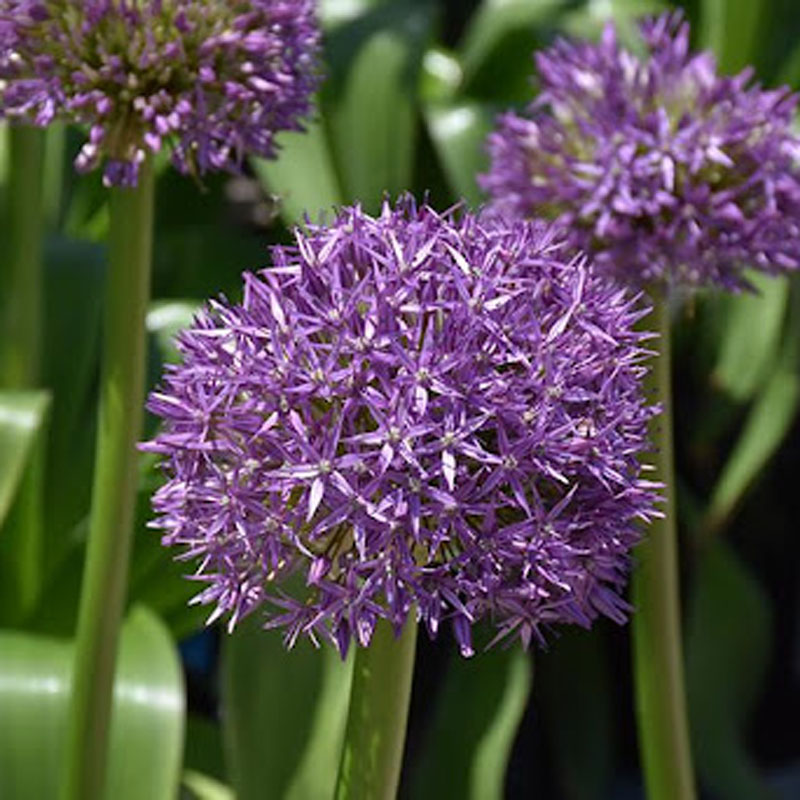
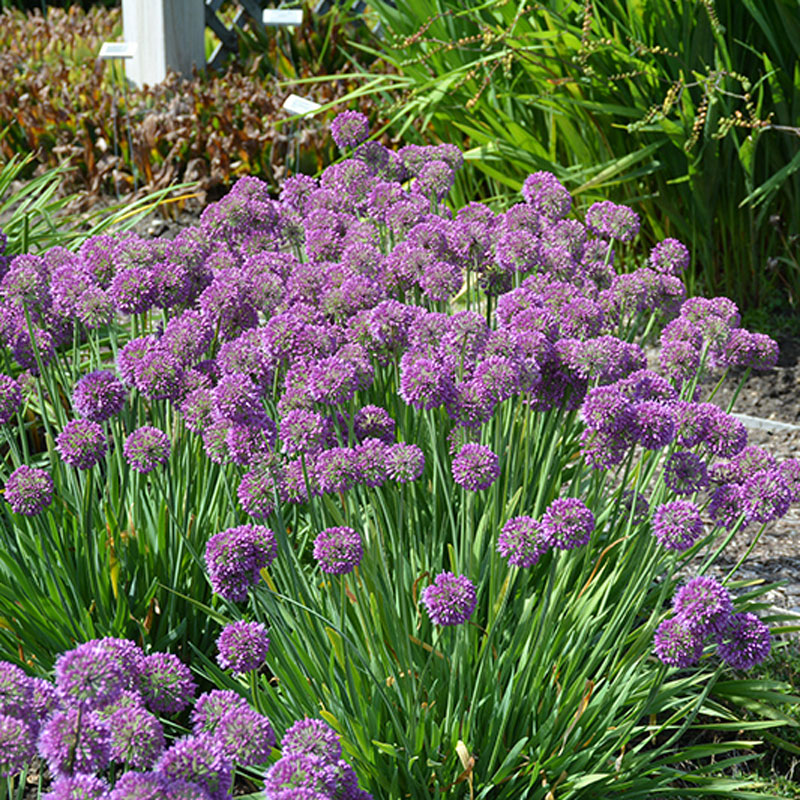
- Alliums: These provide unique texture with their architectural, globe-shaped flowers and are highly deer-resistant. We recommend varieties like ‘Lavender Bubbles Ornamental Onion’ or ‘Globemaster Ornamental Onion’.
- Minor Bulbs: Include early arrivals like Crocus and Snowdrops (Galanthus).
Trees and Shrubs
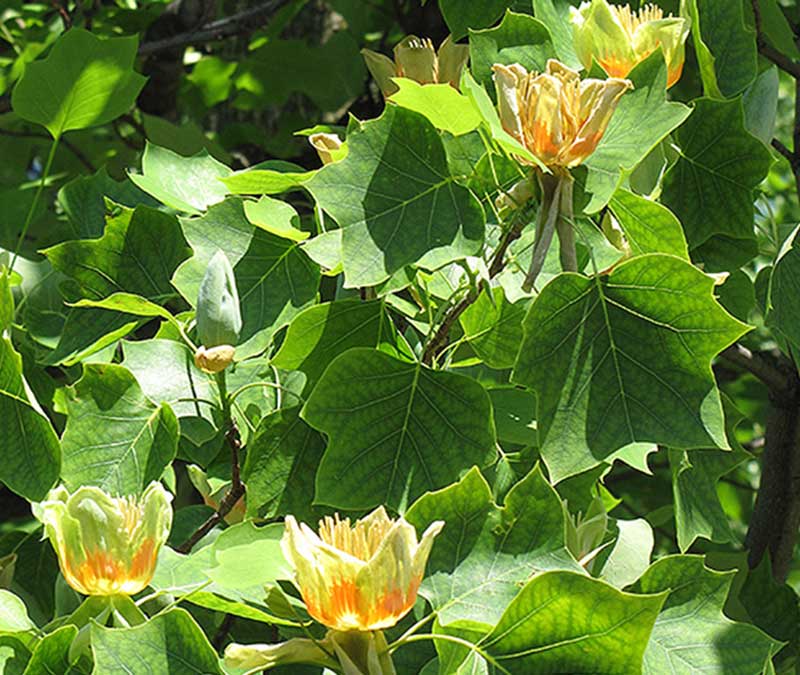
Planting trees and shrubs in the fall, generally mid-September to early November, is highly beneficial as it minimizes transplant shock and gives them a head start for next season.
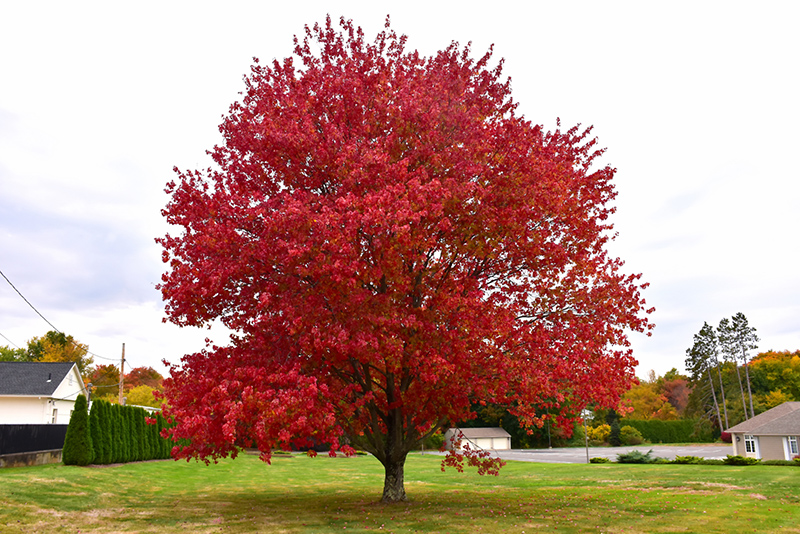
- Shade Trees: Look for strong, native varieties like Maples and Oaks. The October Glory Red Maple is a popular selection known for its excellent red fall color year after year.
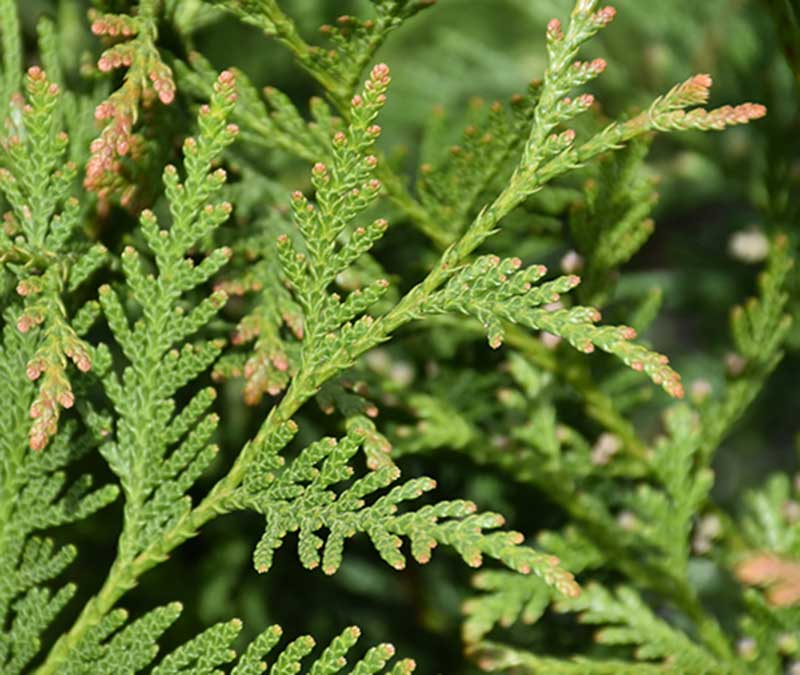
- Evergreens: Planting Evergreens like Spruces, Firs, and Arborvitae in the fall is suitable (Late September to early November) and provides year-round structure. Consider the dense Steeplechase Arborvitae or the stately Green Giant Arborvitae for screening. Consistent deep watering is crucial for evergreens planted now.
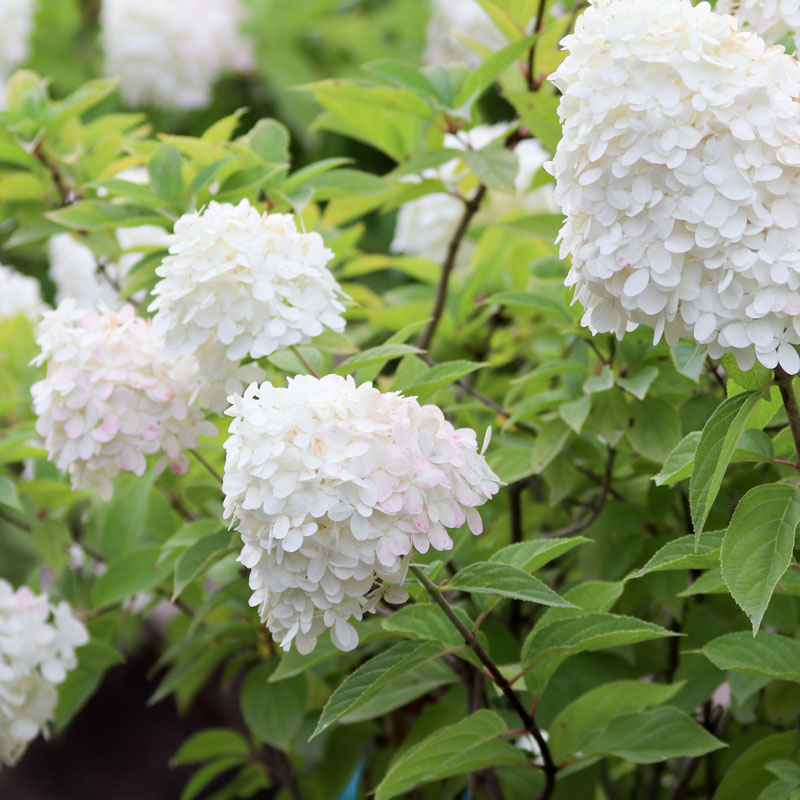
- Flowering Shrubs: Finish planting your Hydrangeas and Lilacs now, choosing hardy, reblooming varieties for the best results.
- Ornamental Trees: October is still an acceptable time to plant container-grown ornamental trees, especially those known for brilliant autumn foliage. Examples include the Autumn Moon Full Moon Maple and the North Wind® Japanese Maple.
- Fruit Trees: Planting fruit trees in late September to mid-October allows them to establish roots before winter, potentially leading to earlier fruit production in following years.
Perennials and Groundcovers
Late August to mid-October is the best planting time for perennials. Planting now allows you to take advantage of warm soil for root development.
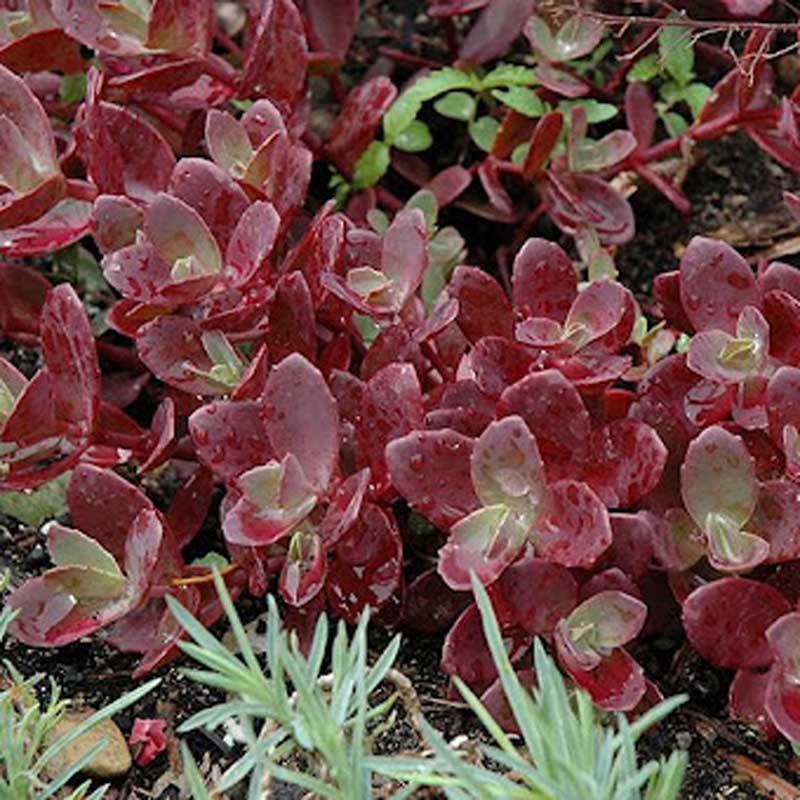
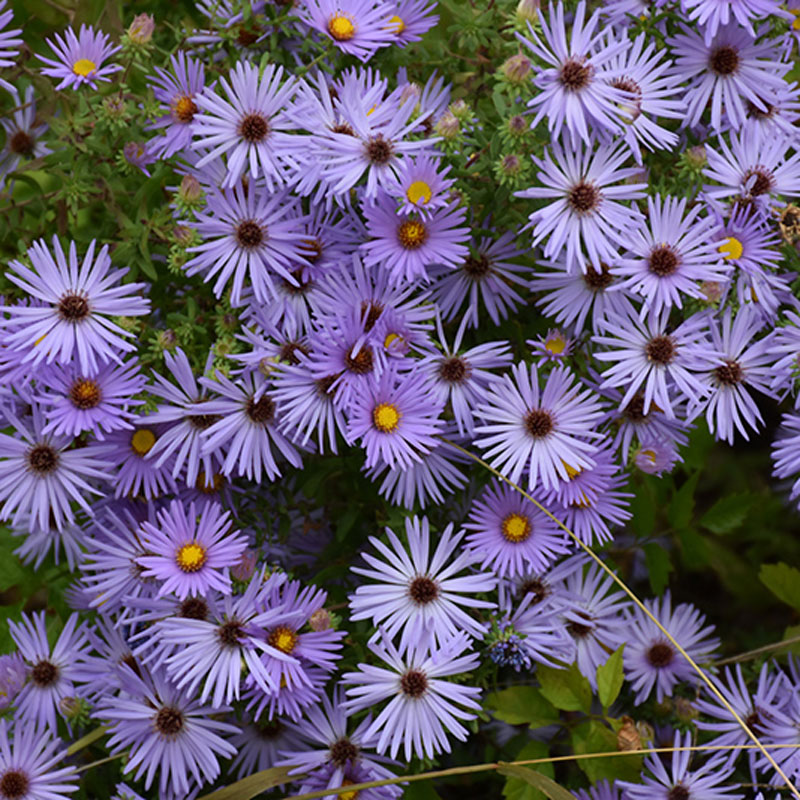
- Fall Interest Perennials: Plant varieties that provide late-season color and structure, such as Asters and Sedum (Stonecrop). October Skies Aster is a mounded variety that is perfect for adding sky blue daisy-like flowers with yellow centers to fall gardens. It is easy to grow and drought tolerant once established. Autumn Joy Stonecrop is a popular groundcover that produces broccoli-like flowers that fade to red in early fall.
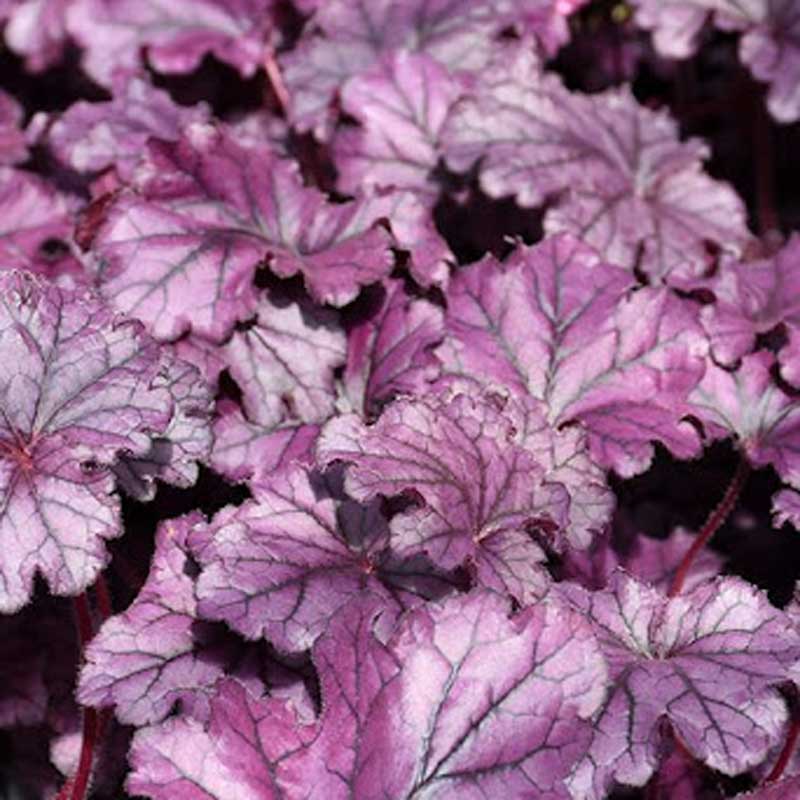
- Spring/Shade Plants: Place Hosta, Daylilies, and Coral Bells in their new spots; they will settle in over winter and be ready for vigorous growth in the spring.
- Transitional Fall Color: Use seasonal plants like Hardy Mums and Ornamental Kale/Cabbage to fill containers and beds with vibrant, transitional color.
Crucial Tips for Successful October Planting in Michigan
- Hydrate Relentlessly: Newly planted trees and shrubs need deep, thorough watering right up until the ground freezes. They must enter winter fully hydrated to prevent desiccation from cold, drying winds.
- Mulch Correctly: Apply a 2–4 inch layer of organic mulch around new plantings. This insulation protects roots from the freeze-thaw cycles and helps retain moisture. Crucially, always keep mulch a few inches away from the trunk or stem of the plant to prevent moisture buildup and rot.
- Avoid Fertilizer: Do not apply any nitrogen-heavy fertilizers at this time. The goal is to encourage root hardening and dormancy, not tender new top growth that an early frost will destroy.
Come visit Everett’s Gardens to select your final plants and materials before the growing season concludes. Our knowledgeable staff—including Certified Garden Industry Professionals—are ready to help you find the right plant for the right area.